

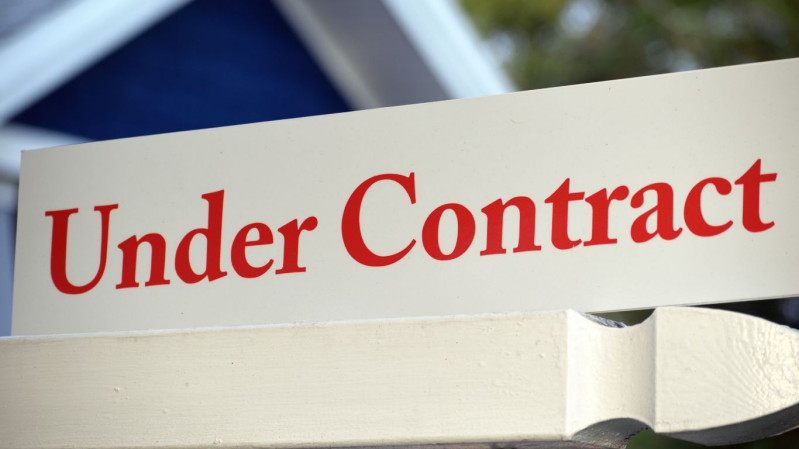
The offer is accepted, the contract is signed, and everyone breathes a sigh of relief. Then, a few days later, a buyer or seller calls me and asks some version of the same question: so what actually happens now? It's a fair question. Going under contract feels like the finish line, but it's really the starting gun on the busiest stretch of the whole transaction. A lot has to happen correctly, in the right order, in a fairly tight window, and it involves people you've never met, an inspector, a title company, an appraiser, an underwriter, all working on your timeline whether they realize it or not.
This is exactly why I send every client a weekly checklist from the day we go under contract until the day we close. Not because I don't trust the process, but because a lot of small deadlines are moving at once, and the transactions that fall apart are almost never sabotaged by one big problem. They fall apart because a small deadline got missed while everyone assumed someone else was handling it.
The Clock Starts on the Effective Date
Every deadline in a Florida contract counts from the effective date, which is the date the last party signs and that signature is actually delivered back to the other side, not the date you and I first talked about the offer. Florida contracts count calendar days, not business days, though if a deadline lands on a weekend or a legal holiday, it automatically rolls to the next business day. That one detail trips people up constantly, so it's the first thing that goes on your calendar and the first line of your very first checklist.
Week One: Earnest Money and the Inspection Clock
The buyer's earnest money deposit is typically due within three business days of the effective date, wired directly to the title company's escrow account. That money isn't going to the seller. It sits in escrow and gets credited back to the buyer at closing.
At the same time, the inspection period starts running, usually 10 to 15 days depending on what was negotiated in the contract. This is the buyer's window to have the home inspected, and in Florida, typically a separate wood-destroying organism inspection for termites, and to either move forward, request repairs, or walk away with their deposit intact. Once that window closes, that leverage is largely gone, which is exactly why I want my buyers scheduling their inspector on day one, not day nine.
Weeks One and Two: Title, Loan, and the Paper Trail Buyers Don't See
While the inspection is happening, a few things are running quietly in the background that matter just as much. The title company orders a title search and begins preparing the title commitment, checking for liens, judgments, or ownership issues that need to be cleared before closing. If the buyer is financing, their loan application needs to be locked in, and the lender orders the appraisal, which has to come in at or above the contract price for the loan to move forward. If the property has an HOA or condo association, this is also when estoppel letters and association documents get requested and reviewed.
None of this is glamorous, and most clients never see it happening. But if a title issue turns up or an appraisal comes in low, the earlier we know, the more time we have to solve it instead of scrambling in the final week.
Weeks Two and Three: Insurance, Survey, and Repair Negotiations
In Florida, homeowners insurance deserves its own line item, not an afterthought. Getting an insurance quote, and ideally a binder, early in the process matters more here than almost anywhere else in the country, because roof age, wind mitigation features, and prior claims history can all affect both the rate and whether a lender will even approve the loan. I push every buyer to start this the same week we go under contract, not the week before closing.
If the contract calls for one, a survey gets ordered during this window too, confirming boundary lines, easements, and that nothing is encroaching on the property. And if the inspection turned up items worth addressing, this is when repair negotiations happen, sellers and buyers working through what gets fixed, what gets credited, and what simply gets accepted as part of the deal.
The Final Stretch: Clear to Close and the Closing Disclosure
As closing approaches, the buyer's loan moves through underwriting toward what's called clear to close, meaning the lender has verified everything and is ready to fund. For financed purchases, federal rules require the buyer to receive the Closing Disclosure, spelling out final loan terms and closing costs, at least three business days before closing. That three-day window is federally mandated and cannot be rushed, which is exactly why last-minute loan changes can push a closing date. A final walkthrough typically happens 24 to 48 hours before closing, giving the buyer one last look to confirm the home is in the agreed-upon condition and that any negotiated repairs were completed.
From start to finish, a typical financed purchase in Jacksonville closes in about 30 to 45 days. Cash purchases can move much faster, often 14 to 21 days, since there's no lender timeline to work around. FHA and VA loans tend to run closer to 45 to 60 days given the additional underwriting requirements.
Why I Send a Weekly Checklist Instead of Just Trusting the Calendar
Here's what I've learned: nobody outside the industry actually experiences a transaction as one smooth process. They experience it as a string of phone calls from people they've never met, each one wanting something by a deadline nobody explained to them in advance. That's how good deals fall apart, not from one dramatic problem, but from a dozen small deadlines nobody was tracking together.
So every Monday, from the day we go under contract until the day we close, my clients get a checklist from me. It shows exactly what's been completed, what's due in the coming week, and who's responsible for it, whether that's them, me, the lender, or the title company. It's the same reason I send this to sellers as much as buyers. Sellers have their own list too: providing HOA documents, scheduling access for the inspection and appraisal, keeping utilities on, staying ready for that final walkthrough. Nothing about this timeline is complicated once someone is actually tracking it for you. It only feels overwhelming when you're staring at all of it alone.
Quick Answers
What happens right after you go under contract in Florida?
The earnest money deposit is due, usually within three business days, and the inspection period begins, typically 10 to 15 days, while the title company and lender start their own work in the background.
How long does it take to close after going under contract in Florida?
A typical financed purchase closes in 30 to 45 days. Cash deals often close in 14 to 21 days, while FHA and VA loans can take 45 to 60 days.
What is the biggest reason real estate deals fall apart between contract and closing?
More often than a single major issue, it's a missed deadline, an inspection window that expired, insurance that wasn't started early enough, or a document that didn't get turned in on time.
Let's Keep Your Transaction on Track
Whether you're buying your first home or selling one you've lived in for twenty years, you shouldn't have to guess what's supposed to happen next or hope someone tells you in time. That weekly checklist is one of the simplest things I do for my clients, and it's also one of the things they tell me they appreciated most once it was all over. If you're getting ready to go under contract, or you're already there and feeling like you're keeping track of too many moving pieces, reach out and let's get you a clear list of exactly what's next.
Joy Hicks, MBA, Realtor®
CLHA® – Certified Luxury Home Agent
SRES® – Seniors Real Estate Specialist
MRP® – Military Relocation Professional
HSR® – Home Stager and Redesigner Certified
RE/MAX Specialists
904.318.8619
hicks.joy@icloud.com
www.JoyHicksRealtor.com
Add comment
Comments